


Description
978-81-85787-21-2
Yoga Publications Trust, Munger, Bihar, India
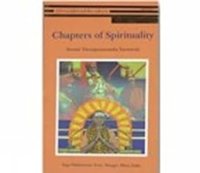
In his commentary on the Ishavasya Upanishad, Swami Satyananda explains the vedantic concepts of the Upanishad in the context of deep yogic insights and his personal experiences in yoga sadhana. He states that by joining the truths of the Upanishads with yoga, knowledge unfolds without confusion. He also states that this Upanishad corrects the overstressing of the path of renunciation in the Yajur Veda. Then he widens the notion of karma to include not only the ritual actions prescribed by the vedic authority, but also daily activities concerning family, society and community. Thus he states that karmas expel the animal nature in man, as well as expressing and releasing the samskaras. Furthermore, he interprets the ‘darkness’ referred to by the Upanishad as the absence of the faculties of consciousness, such as buddhi and mind, as well as being driven to action by instinct alone. He points out that we can correct, formulate and effect the reorientation of the inner personality even while working in the world and by means of conscious and voluntary efforts. He then stresses the need for yoga sadhana and relates in numerous ways the elevated concepts expressed in the Upanishad to the different forms of samadhi and other experiences as described in the Yoga Sutras of Sage Patanjali.

![A Ray of Joy (satyam tales) [Paperback] [Jan 01](https://ecology.yoga/wp-content/uploads/2024/06/A1JyNFgtGrL._SY385_-200x313.jpg)
![DIGGAJA: From elephant to super- elephant [Paperback] [Jan 01, 2017] Swami Satyananda Saraswati](https://ecology.yoga/wp-content/uploads/2024/06/Screenshot-2024-06-10-at-10.46.44 PM-200x313.png)